The Dawn of the Space Tourism Era (April 2026)

As of April 2026, space tourism has transitioned from a billionaire's vanity project into a burgeoning $1.3 billion industry. With a compound annual growth rate of over 28%, the "NewSpace" sector is currently witnessing a historic surge in flight frequency, technological breakthroughs in reusability, and a massive influx of both private and sovereign capital.
Why the Investment? The Economic Logic
Companies and venture capitalists are no longer investing in space just for the prestige; they are chasing a market projected by Morgan Stanley to reach $1 trillion by 2040.
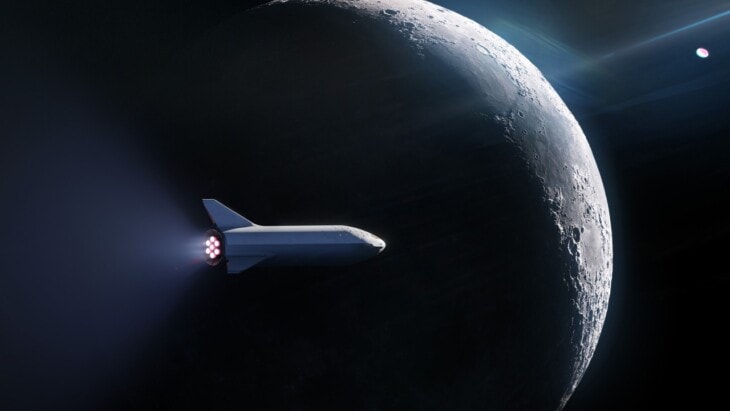
• Cost Reduction via Reusability: The primary driver for investment is the radical drop in launch costs. By 2026, the cost per kilogram to orbit has plummeted from $18,500 (Space Shuttle era) to roughly $1,500 via the Falcon 9, and potentially even lower with the debut of larger reusable systems like Starship.
• Ancillary Markets: Investors are targeting the "Space Economy" ecosystem, including orbital manufacturing (pharmaceuticals and semiconductors produced in microgravity), high-speed point-to-point terrestrial travel, and orbital hospitality.
• High-Net-Worth Demand: There is a proven, growing backlog of affluent "experiential travelers" willing to pay between $450,000 for suborbital hops and $55 million for orbital stays.
Current Progress & 2026 Milestones
The year 2026 is being hailed as "pivotal" for commercial space operations due to several high-profile successes:
• Flight Frequency: Blue Origin and Virgin Galactic have scaled their operations, with flights now occurring on a near-monthly cadence. Blue Origin’s New Glenn rocket successfully reached orbit on its first attempt earlier this year, marking a new era for heavy-lift commercial tourism.
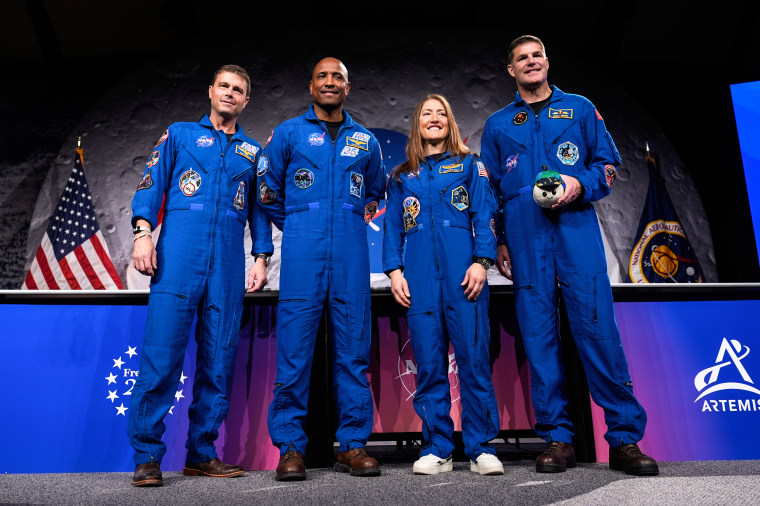
• Artemis II Impact: The launch of NASA's Artemis II mission in early 2026—the first crewed lunar flyby in over 50 years—has reignited global public fascination, serving as a massive marketing catalyst for the private sector.
• Infrastructure: Private space stations are moving from blueprints to hardware. Companies like Axiom Space and Voyager Space are actively developing modules to replace the aging ISS, specifically designed to house both researchers and tourists.
Government & Sovereign Investment
• Governments are no longer just customers; they are foundational partners.
• United States (NASA): Through the Commercial Lunar Payload Services (CLPS), NASA is effectively subsidizing the development of private lunar landers.
• European Union: A major 2026 merger between space divisions of Airbus, Leonardo, and Thales has created a European "Space Giant" to compete with US firms.
• Asia-Pacific: Japan (JAXA) and India (ISRO) are aggressively funding local startups like ArkEdge Space and Skyroot Aerospace to ensure they aren't left behind in the commercial tourism race.
The Road Ahead: Possibilities and Risks
While the momentum is unprecedented, the industry faces three critical "gravity wells":
• Safety Regulation: As flight frequency increases, the statistical likelihood of an accident grows. Regulatory bodies are currently debating "informed consent" vs. "strict safety" standards for passengers.
• Space Debris: The "Kessler Syndrome" remains a threat; the thousands of new satellites launched in 2025-2026 have made orbital traffic management a top priority for 2027.
• Environmental Impact: Public scrutiny is rising regarding the carbon footprint of frequent launches, leading to a new investment trend in "Green Propulsion" and carbon-neutral spaceports.
Visit Aero Center To Read More
Image Source: Aero Center