Robot Wins Half Marathon Race in China
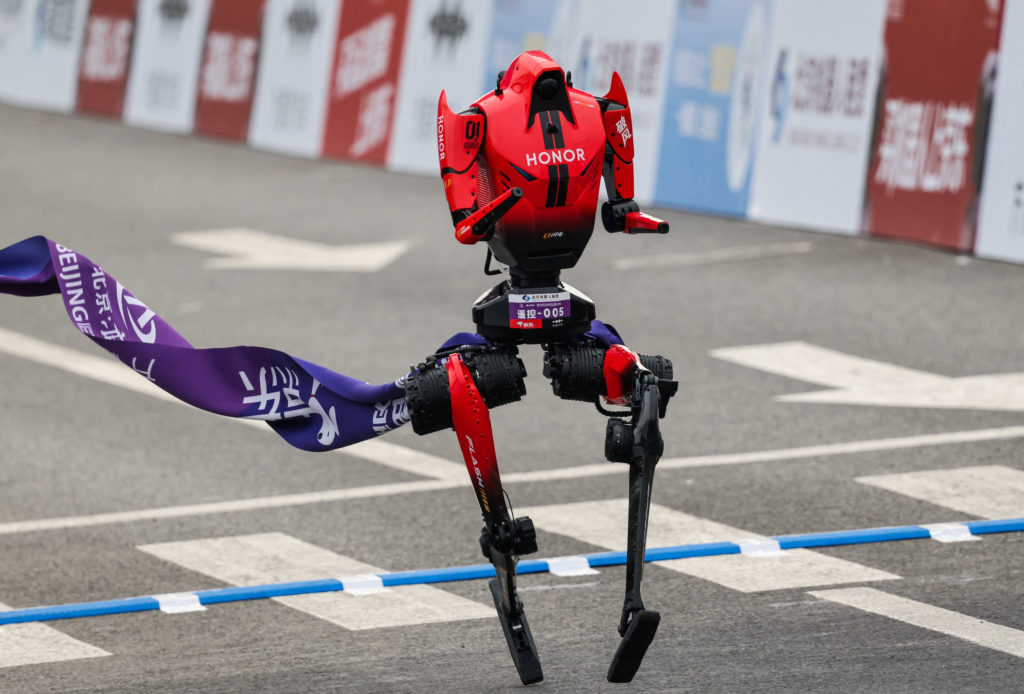
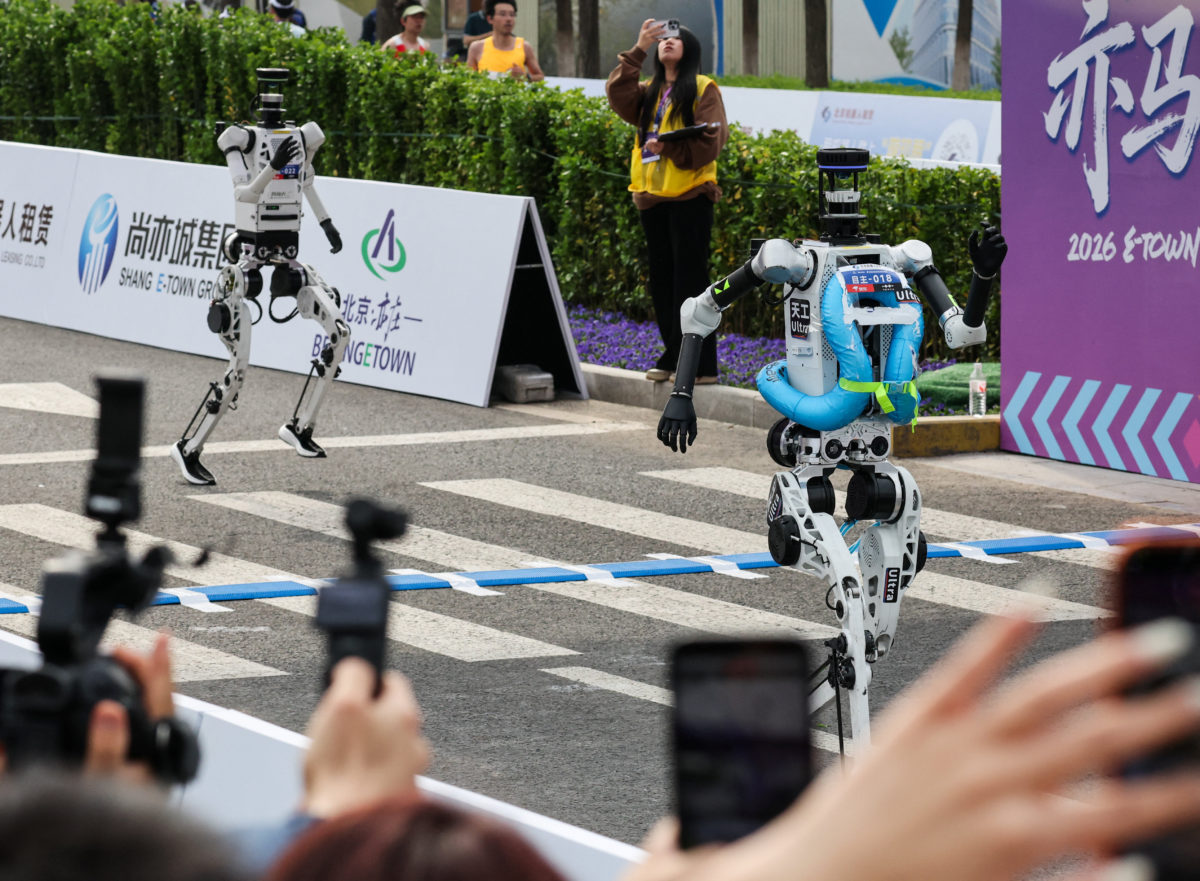
In a groundbreaking moment for robotics and artificial intelligence, a humanoid robot has reportedly outperformed human runners in a half marathon race held in China—signaling a major leap forward in machine mobility and endurance.
The event, organized as part of a national technology showcase, featured both human participants and advanced humanoid robots developed by leading Chinese research institutions. While the race initially aimed to demonstrate progress in robotics, it quickly turned into a historic milestone when one robot completed the 21-kilometer course faster than many of its human counterparts.
A Race Like No Other
Unlike traditional competitions, this race placed robots and humans on the same course, testing not just speed but stability, endurance, and adaptability. The winning robot demonstrated remarkable balance, consistent pacing, and the ability to navigate terrain changes—challenges that have long limited robotic movement.
Engineers behind the project revealed that the robot used a combination of:
• Real-time AI decision-making
• Advanced motion control systems
• Sensor-based environmental awareness
These technologies allowed it to adjust stride, maintain balance, and optimize energy use throughout the race.
More Than Just Speed
Experts say the real achievement isn’t just that a robot ran a half marathon—it’s how it did it. The robot’s ability to sustain movement over long distances without significant error highlights major improvements in:
• Battery efficiency
• Mechanical durability
• Autonomous navigation
This development could have far-reaching implications beyond sports, especially in industries that require long-duration physical tasks.
Real-World Applications
The success of this robotic runner points to future use cases in:
• Search and rescue missions
• Military and security operations
• Logistics and delivery systems
• Elderly assistance and healthcare
Robots capable of sustained, stable movement over long distances could operate in environments that are too dangerous or physically demanding for humans.
A Glimpse Into the Future
While the achievement is being celebrated, it also raises important questions about the future of human-machine interaction. As robots become more capable, discussions around ethics, job displacement, and regulation are expected to intensify.
What Comes Next?
Researchers are now focused on improving speed, agility, and adaptability, with the goal of deploying such robots in real-world scenarios. Future developments may include robots that can navigate complex urban environments or assist in disaster zones with minimal human intervention.
The half marathon victory may seem symbolic—but it represents something much bigger: a world where machines are not just tools, but active participants in physical and cognitive tasks once exclusive to humans.
As robotics continues to evolve, moments like this are no longer science fiction—they are becoming reality.
Visit: PBS News for more reading.
Image Source: REUTERS | PBS News