Ameca — Can Humanoid Robots Help Combat Loneliness?
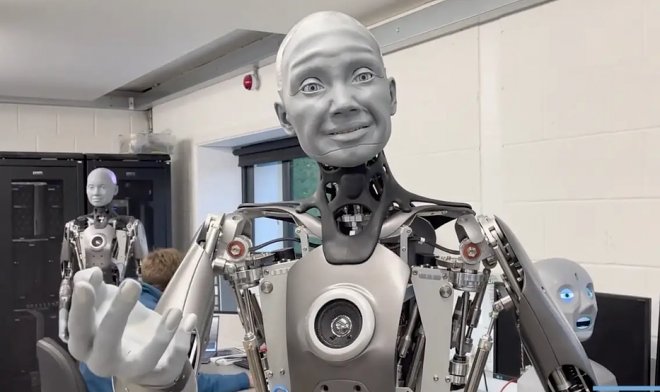
As the world’s population ages, loneliness among the elderly is becoming a growing concern. Now, humanoid robots like Ameca are being explored as part of a new solution—combining advanced robotics with emotional interaction to provide companionship and support. A Response to a Growing Problem Loneliness among older adults has been linked to serious health risks, including depression, cognitive decline, and even heart disease. In many parts of the world, families are becoming smaller and more geographically dispersed, leaving many elderly individuals without consistent social interaction. This has created a need for innovative solutions that go beyond traditional caregiving. A Robot That Feels… Human Developed by Engineered Arts, Ameca is designed to interact with humans in a remarkably natural way. What sets it apart is its ability to mimic human facial expressions and emotions with high precision. Through advanced motors and AI-driven systems, Ameca can smile, frown, show surprise, and maintain eye contact—creating a sense of presence that feels more human than mechanical. This capability allows Ameca to engage in conversations that are not just functional, but emotionally responsive. For elderly individuals, this can make interactions feel more meaningful, helping reduce feelings of isolation. Beyond Companionship While Ameca is not yet widely deployed in homes, its potential applications are being explored in healthcare and assisted living environments. The robot could: • Provide reminders for medication • Offer conversational engagement • Assist caregivers by monitoring well-being Its presence could help bridge the gap between human care and technological support, especially in regions facing shortages of healthcare workers. The Human Question Despite its promise, the idea of robots providing emotional companionship raises important questions. Can machines truly replace human connection? Some experts argue that while robots like Ameca can reduce loneliness, they should complement—not replace—human relationships. There are also concerns about emotional dependency and the ethical implications of machines simulating feelings they do not actually experience. A Glimpse into the Future The development of robots like Ameca reflects a broader shift in how technology is being used—not just for productivity, but for emotional and social support. As AI and robotics continue to advance, the line between human interaction and machine assistance is becoming increasingly blurred. Pi Insight Ameca does not feel—but it can make people feel less alone. In a world where loneliness is rising, the question is not just what technology can do, but how it can support the human need for connection without replacing it. Image Source: Maker Fiare Rome | Engineered Arts
Read Insight