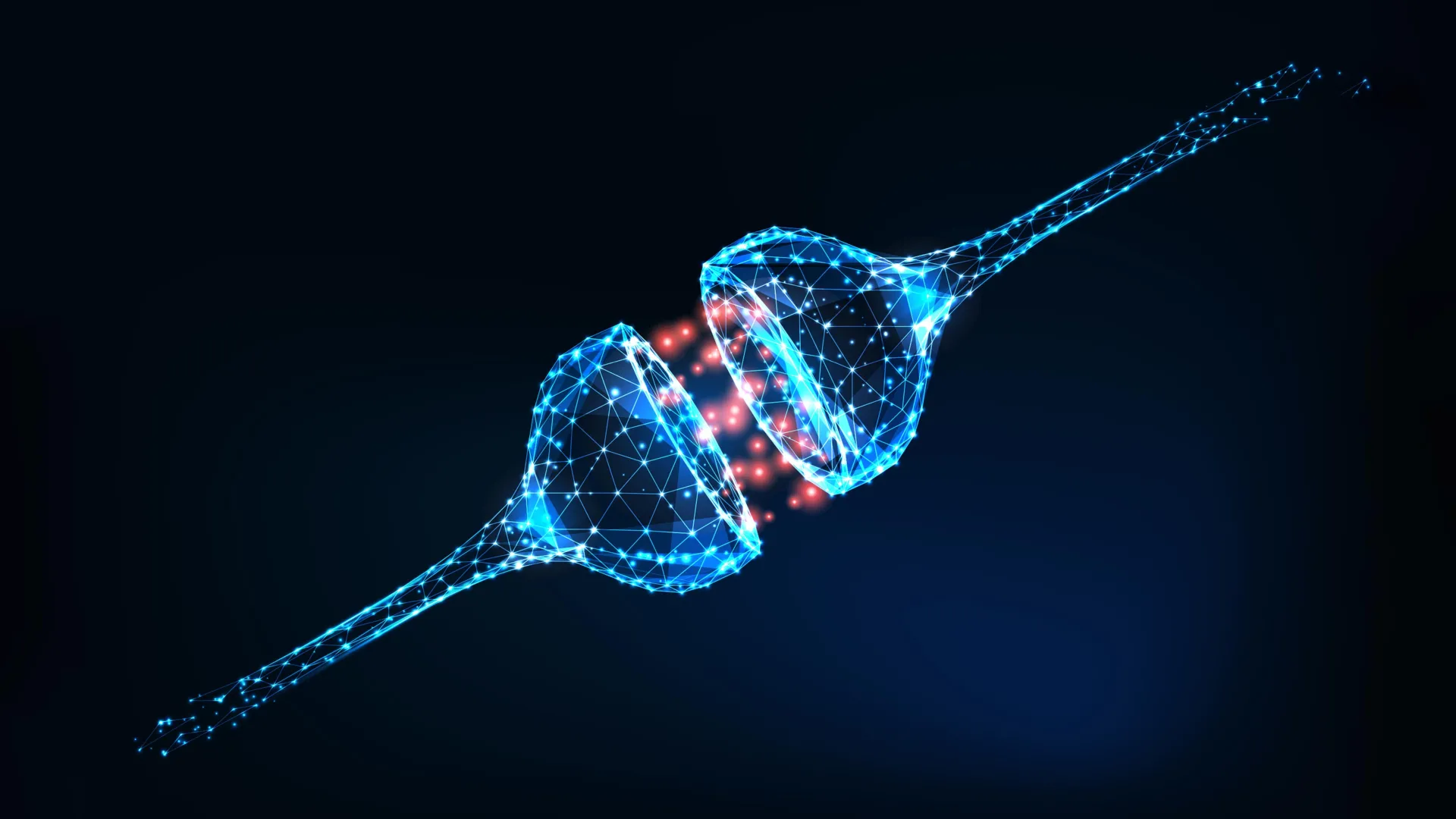
The BCI Commercial Frontier: China’s Neuracle NEO Becomes World’s First Approved Neural Interface
In a historic shift for the neurotechnology sector, the National Medical Products Administration (NMPA) has granted commercial market approval to the Neuracle Medical NEO system. This marks the first time in history that a high-bandwidth Brain-Computer Interface (BCI)has cleared the full regulatory gauntlet for general medical use. Unlike the high-profile invasive procedures seen in Western trials, the NEO system utilizes a unique "minimally invasive" approach, offering quadriplegic patients a path to physical autonomy without the risks associated with open-brain surgery. The Extradural Advantage: BCI Without Brain Contact The technical breakthrough that secured the NEO’s approval is its Extradural Electrode Array. While competitors like Neuralink and Blackrock Neurotechtypically involve "penetrating" electrodes that pierce the brain's motor cortex, the Neuracle NEO is placed on the dura mater—the protective membrane surrounding the brain. "By staying outside the dura, we eliminate the risk of intracranial infection and the long-term scarring of brain tissue," said a lead engineer at Neuracle. The system uses high-sensitivity sensors to read through the membrane, capturing neural intent with enough fidelity to decode complex hand and finger movements. This procedure is classified as "minimally invasive," significantly lowering the barrier for patient adoption and reducing hospital recovery times from weeks to days. Wireless Autonomy: Decoding Thought into Motion The NEO system consists of the extradural implant and a wireless "internal-to-external" transmission unit. • Neural Decoding: The system utilizes an onboard AI processor that translates electrical brain activity into digital commands in under $50$ milliseconds. • Motor Restoration: These signals are transmitted wirelessly to either a robotic exoskeleton or a neuro-muscular stimulation (NMS) sleeve worn on the patient’s arm. • The Result: For patients with high-level spinal cord injuries, the NEO provides immediate "thought-to-action" control, allowing them to grasp objects, use a stylus, or operate a computer interface with fluid, natural intention. The Global BCI Race: China Takes the Lead Market analysts view the NMPA’s approval of the NEO as a major strategic victory for China’s "Neural Silk Road" initiative. While Western firms have been caught in a cycle of protracted feasibility trials and safety debates, Neuracle has successfully navigated a path to the commercial market. This approval is expected to trigger a "BCI Tourism" trend, with patients from around the world looking toward Beijing and Tianjin for access to the technology. Estimates suggest that the commercial market for medical BCIs could grow at a CAGR of 35 through 2030, with Neuracle now holding a critical first-mover advantage in the clinical space. The Path to Mainstream Rehabilitation The immediate focus for the NEO rollout will be "Standardized Clinical Integration." Rather than being a luxury for a few trial participants, the device is being integrated into the standard of care at major Chinese rehabilitation centers. The goal for late $2026$ is to drive down the cost of the implant and procedure to a level comparable to high-end cardiac pacemakers, making neural autonomy an accessible right rather than a technological privilege. Neuracle NEO Technical Specs: • Implant Type: Extradural (Non-penetrating) Electrode Array. • Surgical Method: Minimally invasive burr-hole craniotomy. • Data Link: Wireless induction (zero external wires/plugs). • Primary Indication: Motor restoration for quadriplegia and advanced ALS. • Regulatory Status: Fully Approved for Commercial Sale (NMPA). References: Neuracle Neuroscience | Built In | Medium Image Source: South China Morning Post
Read Insight